Common problems with wedding flower setup in Ickenham
Posted on 27/10/2026
Wedding flowers look effortless when they're done well. That's the trick, of course. Behind a polished aisle arch, a neat registrar table arrangement, or a bouquet that still looks fresh at 4 p.m., there's usually a lot of planning, timing, and problem-solving going on. If you're trying to understand the common problems with wedding flower setup in Ickenham, you're in the right place.
In Ickenham, weddings often need to fit around tight venue access, mixed ceremony styles, weather that can turn quickly, and deliveries that must land at exactly the right moment. A small mistake can throw off the whole look. The good news? Most floral setup issues are predictable, and once you know what to watch for, they're much easier to avoid.
This guide breaks down what usually goes wrong, why it matters, and how to plan around the most annoying issues without turning the morning into a scramble. You'll also find a checklist, a comparison table, and practical tips you can actually use. Nothing fluffy. Just the useful stuff.
Table of Contents
- Why Common problems with wedding flower setup in Ickenham Matters
- How Common problems with wedding flower setup in Ickenham Works
- Key Benefits and Practical Advantages
- Who This Is For and When It Makes Sense
- Step-by-Step Guidance
- Expert Tips for Better Results
- Common Mistakes to Avoid
- Tools, Resources and Recommendations
- Law, Compliance, Standards, or Best Practice
- Options, Methods, or Comparison Table
- Case Study or Real-World Example
- Practical Checklist
- Conclusion
- Frequently Asked Questions
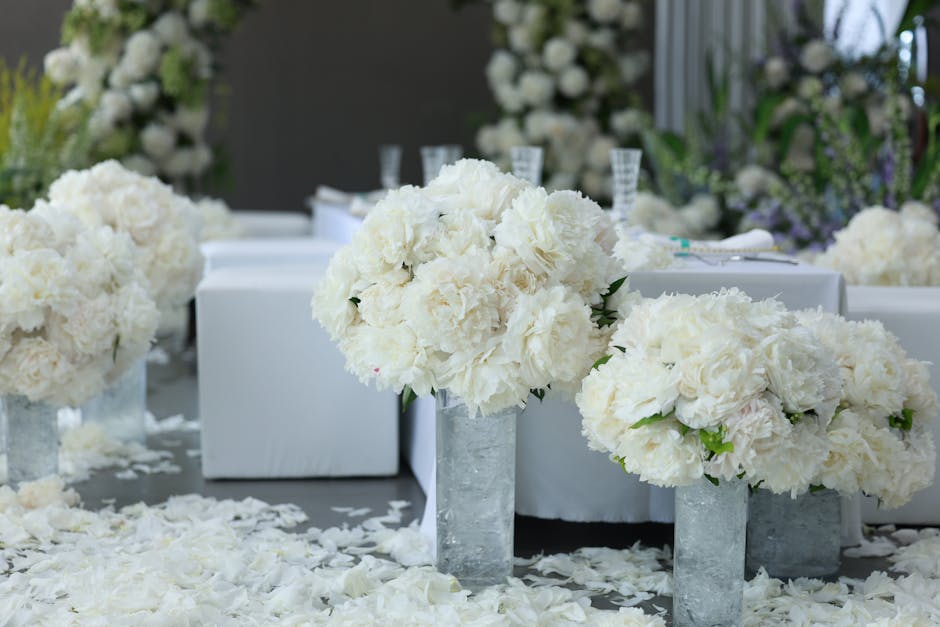
Why Common problems with wedding flower setup in Ickenham Matters
Flower setup is more than decoration. It affects the way the ceremony feels, the photos look, the timing of the day, and even how calm everyone feels before the vows. In a place like Ickenham, where weddings may involve village halls, churches, hotels, private homes, or smaller local venues, the setup phase can get tricky very quickly.
Let's face it: flowers don't ask for much, but they do ask for precision. They need the right temperature, the right handling, the right timing, and enough space to be installed without bumping into guests, chair covers, or a late-running photographer. Miss one piece and the whole display can wobble, wilt, or simply look a bit off.
The issues matter because wedding flowers are often working under pressure. There may be a narrow delivery window, limited parking, restrictions on flame or adhesive use, and venue staff who understandably want the setup to be quick and tidy. A bouquet is forgiving. A full wedding installation is not. That's why understanding the most common problems is so useful before you book, not after things start going sideways.
And yes, some problems sound small on paper. A vase that's too tall. A buttonhole pin that marks a suit. A bouquet tied too early. But on the day, those small things have a habit of becoming the loudest ones.
How Common problems with wedding flower setup in Ickenham Works
To understand the problems, it helps to understand the setup process itself. Wedding flower installation usually follows a fairly simple chain: design, conditioning, transport, arrival, placement, and final checks. Most issues happen because one part of that chain is rushed or misunderstood.
1. Design and planning
This is where flower choice, colour palette, size, and placement are decided. The main risk here is mismatch. A couple may love a large statement look, but the venue ceiling, aisle width, or table size won't support it. That's when "beautiful in theory" becomes awkward in practice.
2. Conditioning and preparation
Fresh flowers need hydration, trimming, and proper storage. If they're not prepared correctly, they can droop before the ceremony begins. This is especially relevant for delicate blooms and for warm days when even a short delay can show.
3. Transport and timing
Getting flowers to the venue is often where stress starts. Traffic, parking limits, loading access, and venue rules can all cause delays. A 20-minute holdup may not sound serious, but if the registrar, photographer, and guests are already arriving, it suddenly is.
4. On-site setup
This is the point where the real-world issues appear: not enough space, uneven surfaces, poor lighting, missing vases, or a display that looked balanced at the workshop but looks top-heavy on the reception table. You'll notice these things only once everything is in place, which is exactly when you don't want surprises.
5. Final styling and touch-ups
Good florists will always do a last pass. They straighten stems, wipe any water marks, reposition table pieces, and check the bouquet ribbon or signage flowers. If that final pass is skipped, little flaws tend to stay visible in photos all day. Annoying, really.
Key Benefits and Practical Advantages
Planning around the common problems with wedding flower setup in Ickenham gives you more than peace of mind. It improves the whole flow of the day. You're not just buying flowers; you're buying a smoother ceremony and better visual consistency.
- Cleaner presentation: Arrangements stay upright, balanced, and intentional rather than looking hurried.
- Less stress on the morning: The fewer unknowns, the easier it is for everyone to get ready calmly.
- Better photos: Tidy flowers frame the ceremony and reception beautifully, especially in close-up shots.
- Reduced waste: Proper planning prevents duplicate pieces, unused extras, and last-minute emergency buys.
- Better venue fit: Flowers sized to the room look more elegant than oversized arrangements squeezed into tight spaces.
- Improved guest experience: Nobody wants centrepieces blocking conversation or bouquets shedding petals on a polished floor.
There's also a simple practical advantage: when the setup is sorted properly, other suppliers can do their jobs better too. The photographer has time to shoot the ceremony space. The venue team can move tables without worrying about fragile displays. The couple gets to breathe. Small thing? Not really.
Who This Is For and When It Makes Sense
This topic matters if you're a couple planning a wedding in Ickenham, a family member helping with arrangements, a venue coordinator, or a florist managing a local delivery. It's especially useful if you're working with a tight schedule or a venue that doesn't offer much setup time.
You'll benefit most from this guidance if any of these sound familiar:
- You're getting married in a church, hall, hotel, or private venue with limited access time.
- Your ceremony and reception are in different places, so the flowers need to travel.
- You want a particular style, such as white wedding flowers, roses, mixed seasonal blooms, or a full wedding collection.
- You're trying to keep costs sensible without making the day look stripped back.
- You've had a setup issue before and want to avoid the same headache twice.
If you're already feeling a bit overwhelmed, that's normal. Weddings can become weirdly technical in the final few weeks. One minute you're picking petals, the next you're asking whether the arch will fit through a doorway. Proper glamorous chaos.
Step-by-Step Guidance
Here's a practical way to handle wedding flower setup without losing the plot.
Step 1: Confirm the venue layout early
Ask for measurements, access notes, and any restrictions. Even a rough sketch helps. Check aisle width, table sizes, entrance points, and whether the florist can unload close to the door. In some venues, the difference between easy and awkward setup is literally one corridor.
Step 2: Decide what really needs flowers
Not every surface needs dressing. Prioritise the spaces that matter most: ceremony focal points, top table, guest tables, bouquet pieces, buttonholes, and any welcome area that appears in photographs. A focused design usually looks better than trying to cover everything.
Step 3: Match flower choice to timing and conditions
Roses, lilies, hydrangeas, carnations, alstroemeria, and mixed seasonal stems all behave differently. Some are more resilient; some need extra care. If your day starts early and runs long, durability matters more than the prettiest option in the catalogue. Truth be told, the toughest flowers often save the day.
Step 4: Build in a buffer for delivery
Try not to plan flower arrival at the exact minute the ceremony begins. That's asking for stress. A sensible buffer gives time for parking issues, venue sign-in, and final placement. If anything goes smoothly, brilliant. If not, you have room.
Step 5: Set the flowers in the right order
Install the largest or most structural pieces first, then move to tables, aisle features, and handheld items like bridal bouquets and buttonholes. This reduces the chance of knocking over something important while you're still arranging the big pieces.
Step 6: Check sightlines and movement
Stand where guests and photographers will stand. Does the arrangement block faces? Does it hide signage? Can people walk around it without brushing against greenery? These checks sound basic, but they save a lot of irritation later.
Step 7: Do a last-minute freshness and stability check
Before the room fills up, check water levels, ribbon ends, vase stability, and petal fallout. Make sure buttonholes are secure and that any delicate pieces won't shift if the door opens and closes a few times. It sounds fussy. It is fussy. But that's weddings.
Expert Tips for Better Results
A few small habits make a big difference.
- Keep the design flexible: A floristic plan that can be adjusted on the day is far safer than one that relies on exact conditions.
- Use sturdy containers: Nice-looking is not enough. Containers should hold water well and stay stable on smooth surfaces.
- Keep styling consistent: If the bridal bouquet is soft and romantic, the table pieces should not feel like they came from another event entirely.
- Think about the room temperature: Warm rooms, direct sunlight, and long delays can shorten flower life faster than people expect.
- Use one person to sign off the setup: Too many opinions can create confusion. One calm decision-maker keeps things moving.
If you want a simple rule, here it is: the more movement the flowers need on the day, the more likely something will be bumped, delayed, or misplaced. So reduce movement wherever possible. Easy to say, yes. But very effective.
Another practical tip? Take phone photos once the setup is complete. Not for social media, necessarily. For memory. For reference. For the occasional "did we really place the table flowers that close together?" moment later on.
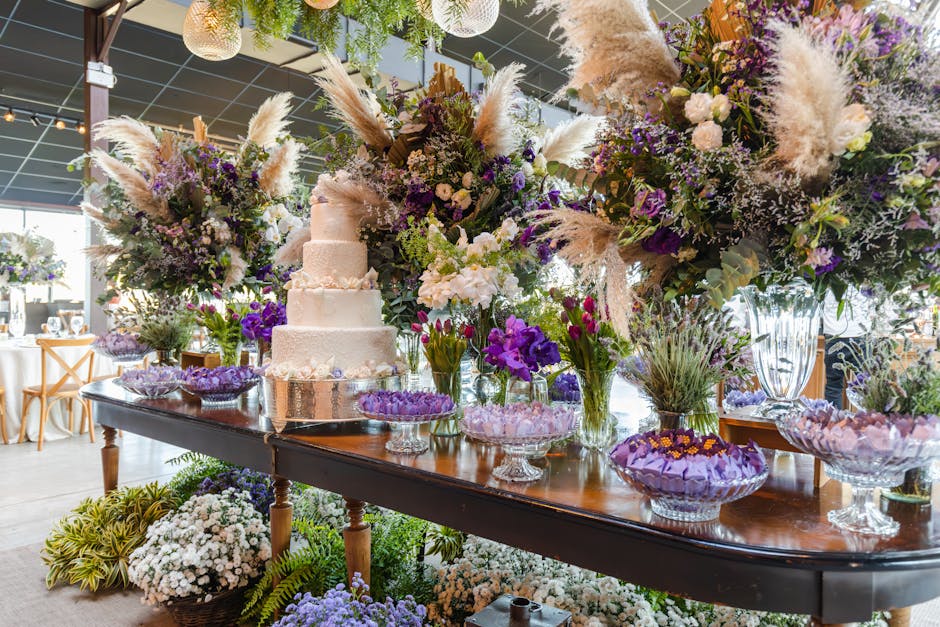
Common Mistakes to Avoid
Most floral issues aren't dramatic disasters. They're the predictable mistakes nobody had time to catch. Here are the big ones.
- Booking without discussing access: If the florist cannot unload easily, setup gets slower and more stressful.
- Choosing arrangements that are too large: Oversized displays can overwhelm tables, hide guests, and dominate the room.
- Ignoring weather conditions: Even in the UK, a bright room or a warm car journey can have a real effect.
- Leaving boutonnieres and corsages until the last second: These tiny items are easy to forget and awkward to fix in a rush.
- Not confirming where each piece goes: If the florist and venue team have different assumptions, things end up in the wrong place.
- Forgetting backup stems or replacement blooms: A little contingency planning saves a lot of panic.
One of the most common issues is simply assuming the venue "knows what to do". Some do, many do well, but weddings are specific. A table arrangement may need to avoid a microphone stand. A ceremony arch may need weighting because the floor is slightly uneven. The details matter.
Tools, Resources and Recommendations
You don't need fancy kit to get wedding flowers right, but a few practical tools help enormously.
| Tool or Resource | Why It Helps | Best Used For |
|---|---|---|
| Venue floor plan or sketch | Prevents size and placement mistakes | Ceremony spaces, tables, entrance styling |
| Measuring tape | Checks aisle width, table size, and display height | Planning and site visits |
| Water containers and holders | Helps flowers stay fresh during setup | Table arrangements and hand-tied pieces |
| Flower care materials | Keeps stems hydrated and tidy before installation | Transport and pre-ceremony prep |
| Final placement checklist | Reduces last-minute confusion | Everyone involved in setup |
For product and service planning, it also helps to look at the wider flower range available from the same florist. For example, browsing wedding flowers alongside venue-ready pieces such as wedding table arrangements, bridal bouquets, and buttonholes gives you a clearer sense of how the full scheme works together.
If you're planning a fuller wedding package, it's also worth comparing the style direction of different collections such as a coordinated wedding collection or a more classic look like white-themed styling. That way, you're choosing a setup that suits the room, not just the mood board.
A small but useful recommendation: keep a printed or mobile checklist with names, timings, and item counts. Sounds old-school. Works brilliantly.
Law, Compliance, Standards, or Best Practice
Wedding flower setup is not usually a heavily regulated task, but there are still sensible standards and venue rules to respect. In practice, the biggest concerns tend to be fire safety, access, property protection, waste handling, and keeping walkways clear.
Most venues in and around London will have their own expectations about deliveries, setup times, and what can be fixed to walls or furniture. That means adhesives, pins, hooks, candles, and heavy structures may need approval in advance. If you are unsure, ask the venue directly rather than guessing. It saves embarrassment and damage claims later, which nobody wants on a wedding morning.
Best practice also means handling flowers responsibly. Keep paths clear, avoid water spills on polished floors, and make sure any freestanding arrangement is stable enough not to topple if bumped. If children will be present, this matters even more. A beautiful display that becomes a trip hazard is not doing its job.
If your florist offers delivery information, refund terms, or care guidance, read them properly. That part is dull, yes, but useful. You can explore general service details such as delivery information, flower care advice, and terms and conditions to understand what to expect before the day.
For eco-conscious couples, sustainability can also be part of the decision. Reusable containers, seasonal flowers, and sensible transport planning all help reduce waste. If that matters to you, it's worth asking about sustainability commitments during planning.
Options, Methods, or Comparison Table
Different wedding flower setup methods suit different venues and budgets. There's no single right answer, but there is a smarter one for each situation.
| Setup Method | Best For | Main Strength | Main Risk |
|---|---|---|---|
| Simple hand-tied arrangements | Smaller weddings or tighter budgets | Quick, elegant, easy to manage | Can feel too minimal if the room is large |
| Table centrepieces with vases | Receptions and dining spaces | Flexible and visually balanced | Needs stable placement and careful sizing |
| Ceremony feature pieces | Aisle ends, registrars, altar areas | Creates a clear focal point | Can interfere with movement if oversized |
| Full coordinated collection | Couples who want a unified look | Strong visual consistency across the day | More planning required, less room for error |
| Mixed seasonal styling | Relaxed or rustic weddings | Feels natural and contemporary | Seasonal availability can affect exact blooms |
In many Ickenham weddings, the best option is not the most elaborate one. It is the one that fits the room, the timing, and the flow of the day. A careful arrangement that sits comfortably in the space will always outshine a dramatic display that keeps getting in the way.
Case Study or Real-World Example
Here's a realistic example. A couple planning a small ceremony in Ickenham wanted a soft white-and-green floral theme. They loved tall centrepieces online, but the reception room had low ceilings and fairly tight table spacing. On top of that, the ceremony and meal were only an hour apart. That's not a lot of breathing room.
Instead of using oversized displays everywhere, the floral plan was simplified: a structured bridal bouquet, neat buttonholes, low table arrangements, and one stronger feature piece for photos. The result was calmer setup, faster movement between rooms, and a much tidier final look. The room felt fuller, not emptier. That's the difference most people miss.
There was also a practical twist. The original plan assumed the top table would stay in one place, but the venue needed a small last-minute layout change. Because the flower pieces were designed to be modular, the room still worked. No panic. No awkward reshuffling while guests were arriving. Honestly, that tiny flexibility saved the afternoon.
That kind of real-world adjustment is typical. Weddings rarely unfold exactly as planned. The aim is not perfection. The aim is resilience with style.
Practical Checklist
Use this checklist before the wedding day and again just before setup begins.
- Confirm venue access times and delivery instructions.
- Check table sizes, aisle width, and any height restrictions.
- Decide which flowers are essential and which are optional.
- Match the floral style to the room size and lighting.
- Ask how the flowers will be transported and kept fresh.
- Confirm who will place each arrangement on arrival.
- Make sure buttonholes, corsages, and bouquets are listed separately.
- Prepare a backup plan for delays or weather changes.
- Keep water and cleaning cloths nearby for final touch-ups.
- Do a last sightline check from guest and photographer positions.
Expert summary: the best wedding flower setup in Ickenham is usually the one that looks calm, fits the venue properly, and leaves a little room for the unexpected. Not glamorous advice, perhaps, but very true.
Get a free quote today and see how much you can save.
Conclusion
Common problems with wedding flower setup in Ickenham usually come down to timing, space, transport, and unrealistic expectations about what a venue can comfortably hold. Once you understand those pressure points, the whole process becomes easier to manage. You can plan better, ask sharper questions, and avoid the last-minute scrambles that nobody enjoys.
Whether you're organising a simple ceremony or a more elaborate floral design, the key is to choose arrangements that suit the space and the day, not just the Pinterest board. That's what keeps flowers looking beautiful from the first arrival to the last photograph. And when it works, it really works. You feel it in the room.
Take it one step at a time, trust the planning, and leave a little room for the day to breathe. That's often where the nicest moments happen.
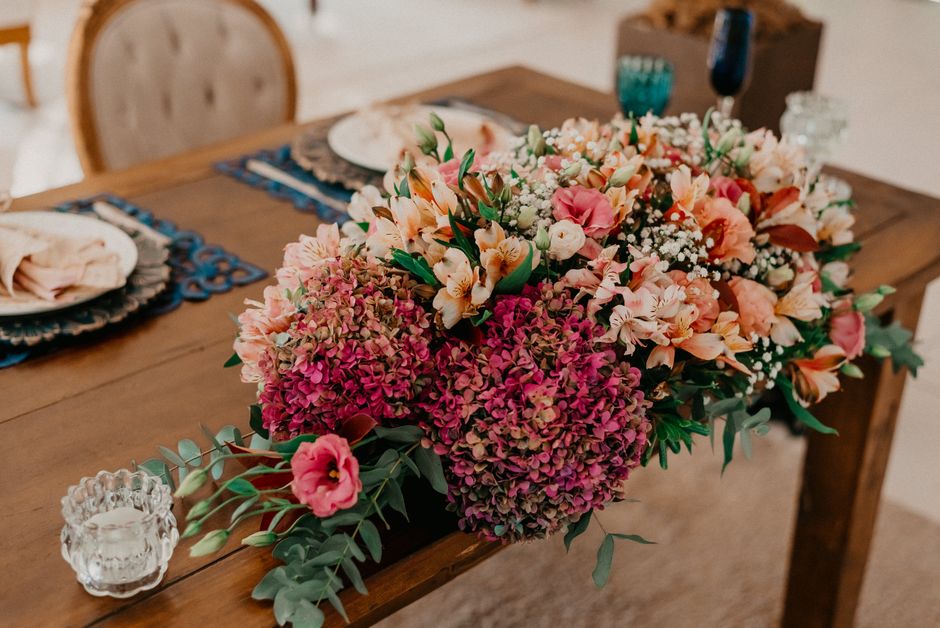
Frequently Asked Questions
What are the most common problems with wedding flower setup in Ickenham?
The most common issues are late delivery, poor venue access, flowers that are too large for the space, weak temperature control, and unclear setup instructions. These problems are usually preventable with early planning.
How far in advance should wedding flower setup be planned?
It's best to plan the main floral setup as early as possible, especially if your venue has restricted access or you want matching bouquets, buttonholes, and table arrangements. The more complex the setup, the earlier the planning should start.
Do wedding flowers need to be delivered on the same day?
For most weddings, yes, same-day delivery is the safest option because flowers look their freshest. The exact timing depends on the venue schedule and the type of arrangements being used.
What flowers are easiest to use for a wedding setup?
Hardier flowers are often easier to manage during setup because they hold their shape better and cope more comfortably with transport. The right choice still depends on your colour scheme, venue conditions, and the season.
Why do wedding flowers sometimes look fine in the shop but not at the venue?
Lighting, room temperature, table size, and placement all affect how flowers look once they're installed. A display can seem perfect on a workbench and then feel too tall, too wide, or too heavy in the actual room.
Can wedding flower setup be done quickly?
Yes, but only if the design is simple, the access is clear, and the pieces are already prepared properly. Quick setup is much harder when there are large installations or several separate rooms to dress.
What should I ask the florist before the wedding day?
Ask about delivery timing, access requirements, setup order, flower freshness, and what happens if the venue layout changes. It's also wise to ask whether the design can be adjusted if the room turns out differently than expected.
How do I stop flowers from looking overcrowded on tables?
Choose arrangements that suit the table size and allow guests to talk comfortably. Low centrepieces often work well because they add colour without blocking sightlines. Bigger is not always better, which is a relief really.
Are buttonholes and corsages part of the main flower setup?
Yes, they should be planned as part of the overall floral package. They may be small, but they need to be delivered at the right time and handled carefully so they stay fresh and secure.
What should happen if there's a delay on the day?
The florist or setup team should have a simple contingency plan. That might mean prioritising essential pieces first, placing key arrangements before guests arrive, and leaving optional styling details for later if time runs short.
Is it worth choosing a coordinated wedding collection instead of separate items?
Often, yes, because a coordinated collection keeps the colours and style consistent across bouquets, buttonholes, and table pieces. It can also make planning simpler, which is helpful when you already have a lot to think about.
How do I know whether my venue in Ickenham can handle large floral displays?
Ask for measurements, ceiling height, table layout details, and any setup restrictions. If possible, share those details with the florist before finalising the design. That way, the flowers can be matched to the actual space rather than a guess.
What is the single best way to avoid wedding flower setup problems?
Early communication. Once the venue, florist, and couple agree on timing, access, and the exact placement of each piece, most of the common issues become much easier to avoid.